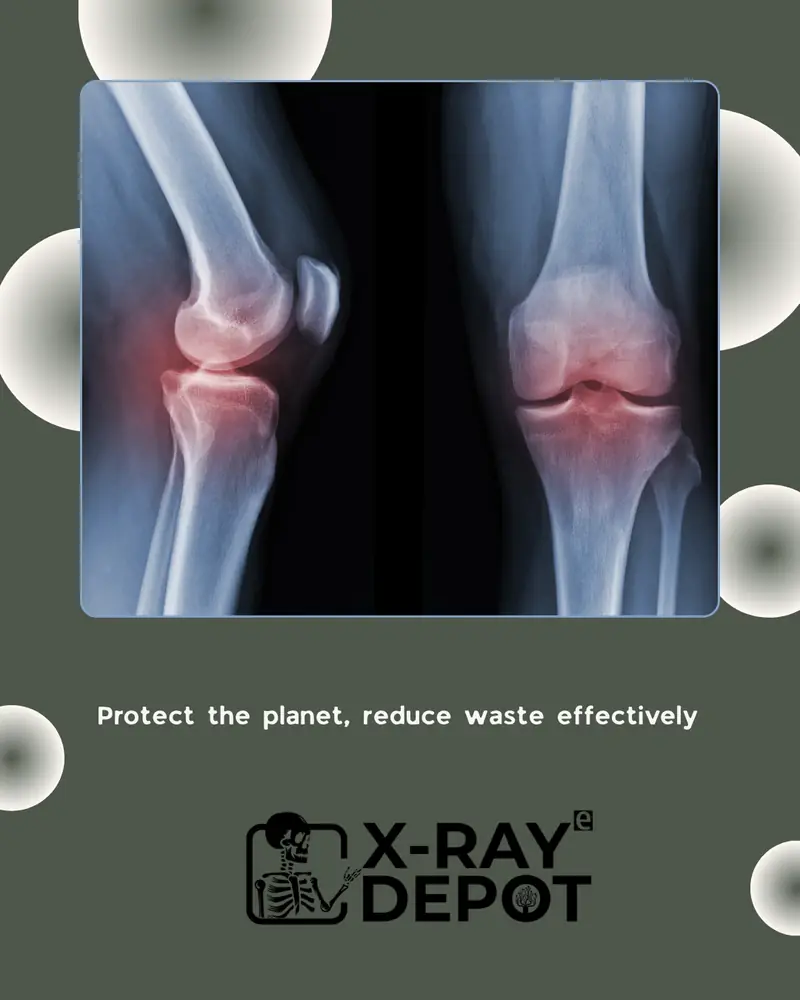

When we think of X-rays, the first thing that comes to mind is medical diagnostics—helping doctors see inside the body to detect injuries or illnesses. But X-rays have a lifecycle far beyond their initial purpose. From the moment an X-ray is taken to the time it’s recycled, each step plays a vital role in healthcare, environmental safety, and even resource recovery. Let’s take a closer look at the fascinating journey of an X-ray—from the imaging room to the recycling facility.
1. Creation: Capturing the Image

- Digital X-rays: Stored electronically in systems known as PACS (Picture Archiving and Communication Systems).
- Film-based X-rays: Printed on special radiographic film, coated with silver halide crystals—valuable materials with environmental and monetary worth.
While digital X-rays are becoming the norm, many facilities still have extensive archives of film-based X-rays.
2. Storage and Retention
After creation, healthcare providers store X-rays in accordance with regulations. Depending on local laws and medical policies, facilities may be required to keep X-rays for 5 to 10 years or even longer for pediatric and legal cases.
As archives continue to grow, many institutions must responsibly dispose of old film-based X-rays during their transition to digital systems.
3. Disposal Decision: When X-Rays Become Waste
Eventually, healthcare facilities must remove outdated X-ray films from storage. But simply throwing them away is not an option. These films contain:
- Silver: A heavy metal that can be recovered and reused.
- Confidential patient information: Protected under privacy laws like HIPAA, requiring secure destruction.
Improper disposal can lead to environmental contamination and data breaches. That’s where responsible recycling comes in.
4. Transport to a Certified Recycler
Once ready for disposal, X-rays are collected and transported to certified recycling facilities for proper disposal and recycling. These companies specialize in:
- Secure handling and destruction of sensitive data.
- Environmental compliance with local and national regulations.
- Silver recovery through chemical and thermal processes.
Some recyclers even provide documentation, such as certificates of destruction, to guarantee secure and eco-friendly processing.
5. Recycling Process: Turning Waste into Resource

- Sorting and shredding: Films are separated and shredded to prevent data recovery.
- Washing and chemical treatment: The emulsion layer, which contains silver, is washed off the plastic film.
- Silver recovery: The extracted silver is refined and reused in various industries, from electronics to jewelry.
- Plastic recycling: Recyclers transform PET (polyethylene terephthalate) into new plastic products.
This process not only protects the environment but also contributes to a circular economy.
6. Closing the Loop: A Greener Tomorrow
The lifecycle of an X-ray can end in a positive way rather than in a landfill. You can transform X-rays into reclaimed silver and recycled plastic, effectively ensuring the secure destruction of data. Hospitals, clinics, dental offices, and even veterinary clinics play a crucial role by partnering with certified recyclers to close the loop.
Conclusion
From capturing a critical diagnosis to becoming a source of recovered silver, the lifecycle of an X-ray is a testament to the importance of responsible healthcare and environmental practices. Recycling old X-rays not only safeguards patient privacy but also conserves valuable resources. It’s a small step with a significant impact—and a shining example of sustainability in the medical world.
Are you sitting on a pile of old X-ray films? Partner with X-Ray Depot today and turn your old films into something reusable.