When it comes to medical waste, many people assume it ends with a simple toss into the trash. But when it comes to X-ray films, that’s not just irresponsible—it’s potentially dangerous. These films may look harmless, but their improper disposal carries serious environmental and health risks that many are unaware of.
Let’s explore why X-ray film should never end up in landfills, and what responsible disposal really looks like. By understanding and practicing responsible disposal, we can all play a part in protecting our environment and health.
1. Hidden Hazard: Silver Content
X-ray films contain a significant amount of silver halide crystals, a byproduct of the imaging process. Classified as a heavy metal, Silver, when it’s discarded into the trash and ends up in landfills, it can leach into the soil and groundwater, contaminating ecosystems and posing a threat to wildlife and human health.
Even small amounts of Silver can be toxic to aquatic life. Over time, the accumulation of heavy metals in the water supply can have serious long-term effects on communities.
2. Hazardous Chemicals
- Hydroquinone
- Glutaraldehyde
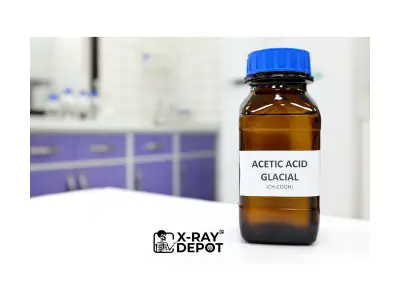
- Acetic acid
These chemicals can emit toxic fumes or leach into water sources if not handled correctly. Improper disposal poses a risk to sanitation workers, landfill operators, and anyone in contact with the waste.
3. Violation of Health Privacy Laws
Beyond environmental concerns, X-ray films often include personal health information (PHI). Throwing them in the trash can be a violation of privacy laws such as HIPAA (Health Insurance Portability and Accountability Act) in the U.S., or equivalent regulations in other countries.
Healthcare providers, dental offices, and veterinary clinics are legally obligated to ensure the secure disposal of all patient records, including X-ray films.
4. Missed Opportunity: Valuable Recycling Potential

- Electronics
- Jewelry
- Solar panels
- Photographic applications
Recycling not only prevents pollution but also supports the circular economy, reducing the need for mining raw materials.
5. Safer Alternatives Exist
The good news? Specialized X-ray recycling companies can safely handle and recycle films, recover the Silver, and destroy all confidential data. Many of these recyclers offer free or even paid pickup services, making it easy for hospitals, clinics, and individuals to dispose of films responsibly.
Eco-conscious companies issue certificates of destruction and recycling, assuring customers that they uphold health and environmental standards.
Conclusion
Throwing X-ray film in the trash might seem convenient, but the long-term health, environmental, and legal consequences are too significant to ignore. Whether you’re a medical professional, a patient with old films, or someone working in healthcare waste management, the right thing to do is clear:
👉 Recycle, don’t trash.
By choosing responsible disposal, you’re not just protecting the planet—you’re also upholding ethical standards and contributing to a cleaner, safer world.
Do you have old X-ray films that need to be disposed of? Reach out to X-ray Depot, your trusted partner in X-ray film recycling.