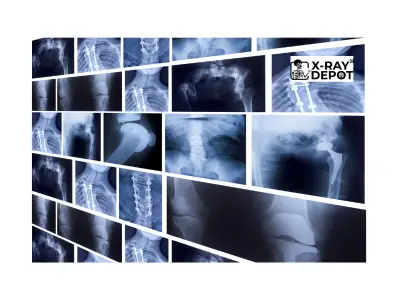
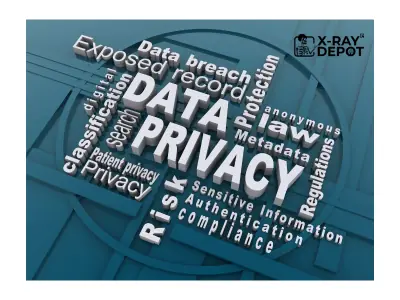
As healthcare continues to evolve digitally, the risk of data breaches is increasing. Sensitive medical histories, X-ray images, and other valuable patient data are increasingly targeted by cybercriminals, exposing healthcare practices to the threat of hacks and unauthorized access. In addition to the financial and reputational consequences, breaches can result in hefty fines and legal ramifications due to HIPAA violations.
To protect patient privacy and safeguard your practice’s reputation, take proactive steps to secure both physical and digital records.This steps includes staff training, data handling, and disposal procedures. Other minor lapses, such as failing to shred documents, could pose significant security risks. Additionally, utilizing eco-friendly methods for data destruction can reduce medical waste while ensuring data security at hospitals.
Let’s explore some of the top threats in healthcare and discover smarter ways to stay safe in your practice.
Some of the Key Risks and Practical Solutions
1. Cyberattacks and Hacking:
The healthcare industry is highly attractive to cybercriminals, as medical records are a lucrative target for them.
Solution: Use strong encryption, multi-factor authentication, and other HIPAA-compliant cloud storage.
2. Mismanagement of Physical Records:
Despite the numerous advantages of electronic records, paper records are still commonly used in most circumstances. Misplacing or mismanagement of the same is a common mistake.
Solution: Store physical records in secure, locked locations, and train staff on proper handling and disposal procedures. When it comes to old or outdated records, consider using a certified document destruction service.
3. Lack of Proper Disposal of Patient Data:
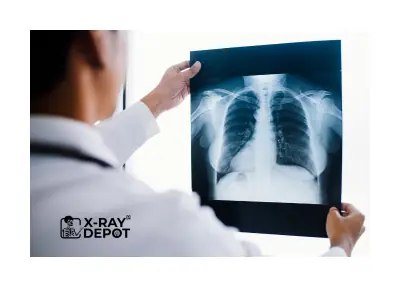
Solution: Work with a HIPAA-compliant destruction service, such as X-ray Depot, to securely destroy outdated materials, providing peace of mind that patient data is protected. You must protect sensitive patient information. Staying HIPAA compliant is essential for keeping patient data secure, but it can be challenging—particularly when considering both physical and electronic records.
4. Improper Handling of Patient Data:
The storage or transmission of patient data incorrectly can create a breach that violates HIPAA regulations.
Solution: Implement clear policies regarding where staff members can store and share the data they collect, and make HIPAA training a regular part of staff education.
5. Insecure Disposal of Sensitive Information:
Discarding old records without taking adequate precautions can leave sensitive data accessible to unauthorized personnel.
Solution: Only use a HIPAA-compliant document destruction service to get rid of sensitive materials.
6. Unsecured Devices and Access:
Most often, unauthorized access to patient data occurs through unsecured devices.
Use Case: Unauthorized access or leakage of sensitive data can result in fraud, misuse of services, financial loss, and other adverse consequences. You can measure compliance by conducting regular audits.
7. Training the Employee: Your Best Defense
With proper training and experience, a team can significantly reduce the likelihood of data breaches. Train staff to recognize phishing, manage records safely and securely, and effectively protect their devices and data.
8. Phishing Scams
Phishing is a frequently used method of accessing patient data.
Solution: Train employees regularly on spotting phishing emails and other suspicious behavior.
9. Improper disposal of documents can expose sensitive data.
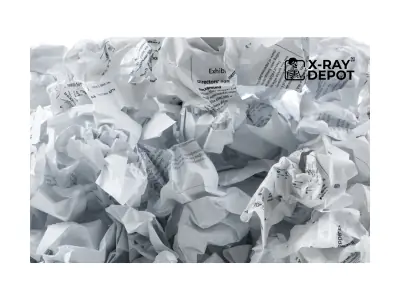
10. Weak passwords and unsecured devices are common entry points for attackers.
What can you do: Enforce strong password policies, use encryption whenever possible, and conduct regular security checks on device access.
The Best Way to Protect Patient Data: Prevention
Prevention is the best defense when it comes to protecting patient data. Here’s how to stay one step ahead of potential breaches:
1. Cybersecurity Threats:
Waiting until after a breach occurs is expensive and damaging.
Solution: Implement strong digital security systems, carry out periodic audits, and maintain up-to-date software.
2. Risky Disposal Practices:
Proper destruction and disposal of old records and X-rays are vital in maintaining security. Destruction Document certified wireless communications solutions comply with HIPAA.
3. Breach of HIPAA and Other Laws:
Unauthorized access to protected health information (PHI) constitutes a serious violation of HIPAA.
4. Insecure Device Management:
Unmanaged devices are often at the root of data leaks.
Solution: All devices should be encrypted, and security protocols should be enforced, with regular audits to ensure proper handling.
5. Environmental Benefits of Safe Disposal:
And it’s not just a matter of security – this can also benefit our environment. By reducing waste, secure disposal practices can also help protect the environment:
6. Throwing Out X-rays and Medical Records:
Something you might not have considered is the improper disposal of documents.
Solution: Select environmentally friendly, certified data destruction services that recycle medical materials while maintaining data integrity.
7. Environmental Impact of Medical Waste:
Some medical waste is hazardous to the environment, and healthcare facilities generate a substantial amount of this type of waste.
Solution: Collaborate with companies like X-ray Depot, which recycles medical X-rays and minimizes total waste.
8. Thorough Destruction Procedures:
Simply throwing out old records isn’t sufficient for securing data.
Answer: Use certified HIPAA-compliant destruction services to delete sensitive data permanently.
Safeguarding patient data is a continual effort that demands a well-considered, even anticipatory, strategy. Developing policies for best practices in securing both digital and physical records, while maintaining HIPAA compliance, will significantly reduce the likelihood of a breach occurring within the healthcare industry. Having peace of mind through a partnership with a trustworthy document destruction service that recycles documents in a manner that supports sustainability goes hand in hand with the most organized and responsible practices.