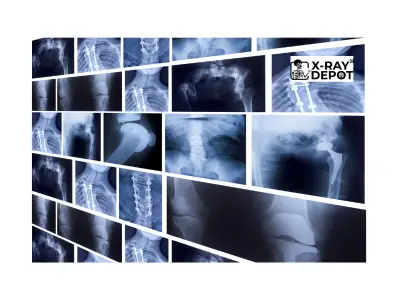

Radiology is transforming our life experience, making earlier diagnosis and treatment possible. Early pioneers contributed significantly to the development of today’s technologies and techniques based on their work. But everything came at a high price – much risk and exertion.
Early Radiologists’ Hardships
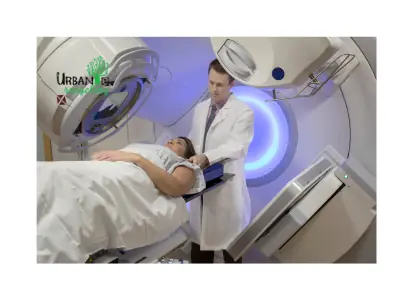
Radiation Exposure – Those early radiologists had serious health problems to face burns, cancer, and death itself in some cases, without any knowledge of the hazards involved with radiation.- Lack of Protection for Those Handling Radiation – Without lead aprons, protective screens, or badges to measure how much radioactivity they’d been absorbing, those brave souls at the cutting edge of then-new technology were ‘in the firing line’ for a hefty dose. But at this time, no one knew such a dosage would kill them one day.
- Radiation Effects Not Clearly Understood – At the time, people could not guess what effect X-rays might have on animals following repeated exposure. As a result, experiments were dangerous, and radiation safety was far less critical than in later years.
- Issues of Experimentation and Ethics – Some early experiments were high-risk procedures that lacked proper consent and involved little understanding of the harm they might cause.
- Technological Limitations – By today’s standards, imaging techniques were crude. They often involved long exposure times, which increased the risk to both patient and operator.
Towards Future Generations: The Lessons of Evolution
- Calibre of Imaging Equipment – Innovations like digital imaging and MRI have greatly improved diagnostic capacity and reduced patient exposure to radiation.
- Safe Practices – The setting up of guidelines by bodies such as the FDA and WHO to ensure safer radiation practices.
- Education – Radiologists today are fully trained to safely use radiation and handle ionizing apparatus.
- Legislation From An Ethical Standpoint – With the development of strong moral rules to guide radiological practice at all levels, patient safety and proper consent are guaranteed.
Conclusion
As radiology advanced through the decades, its early pioneers bore the weight of progress, risking their health and safety to lay the foundation for one of modern medicine’s most transformative tools. Their courage and commitment gave rise to the powerful, precise, far safer imaging practices we rely on today. Their legacy endures in improved patient outcomes worldwide and the dedication to ethical, secure, and innovative radiology solutions.
Today, that same spirit of progress continues through companies like X-Ray Depot, which supports the future of radiology by providing cutting-edge imaging equipment and reliable service to healthcare providers. As we honor the past, we move forward with innovative, safer, and more effective technology because innovation never stands still.