Let’s clear up some of the confusion and separate X-ray facts from fiction.
Fiction: X-rays are always dangerous.
Fact: X-rays use ionizing radiation, but medical X-ray exams are designed to use the lowest reasonable amount of radiation needed to produce a useful image. The amount depends on the type of exam and the equipment being used.
Healthcare professionals also consider factors such as age and medical need when determining whether an X-ray is appropriate.
Fiction: You can feel radiation during an X-ray.
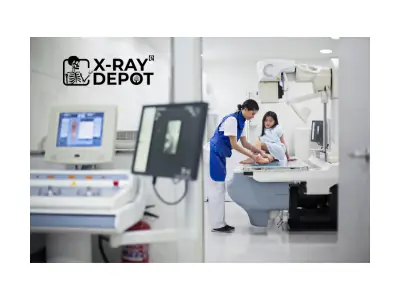
Fact: You don’t feel an X-ray. The examination itself is usually quick and painless. The radiation exposure happens during the imaging process and isn’t something you can see, smell, or feel.
Fiction: X-rays stay inside your body after the exam.
Fiction: More X-rays always mean better medical care.
Fact: More isn’t necessarily better. X-rays should be performed when medically appropriate, weighing the diagnostic value against the small radiation exposure involved.
That’s one reason healthcare providers carefully consider a patient’s history and whether previous imaging might already provide the information they need.
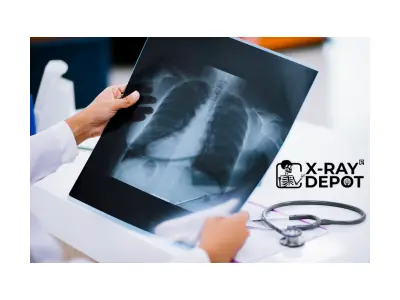
Fiction: Old X-ray films are just plastic and can go in the trash.

Traditional X-ray films contain more than plastic. They can contain recoverable materials, including silver, and may also contain information that should be handled responsibly.
Instead of sending old films to a landfill, healthcare facilities, dental offices, imaging centers, and individuals can look into responsible X-ray film recycling and secure disposal options.
Fiction: Digital X-rays mean old films no longer matter.
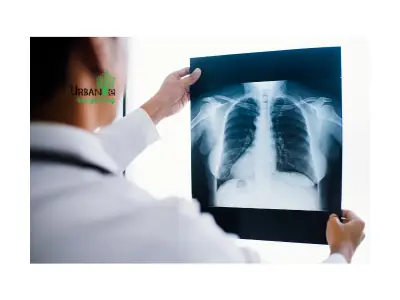
Fact: Digital imaging has transformed healthcare, but traditional X-ray films haven’t simply disappeared. Many facilities still have boxes, files, or storage rooms filled with older films.
Those forgotten films can take up valuable space and may contain sensitive patient information. Proper recycling can help organizations clear out outdated materials while handling them responsibly.
Fiction: Recycling X-ray films is only about protecting the environment.
Fact: Environmental responsibility is a big part of it, but there are other benefits too.
Recycling old X-ray films can help:
- Reduce unnecessary landfill waste
- Recover valuable materials
- Free up storage space
- Support responsible resource recovery
- Help organizations manage outdated films securely
It’s a simple example of how something that has reached the end of its original purpose can still have value.
The Bottom Line
Plenty of myths surround X-rays, but understanding the facts makes it easier to make responsible decisions.
Whether you’re thinking about the safety of medical imaging or wondering what to do with a stack of old X-ray films, don’t let outdated information guide you.
At X-ray Depot, we’re focused on giving old X-ray films a new purpose through responsible recycling. Instead of letting forgotten films sit in storage or end up in the trash, recycling offers a smarter way to manage them.
Old X-rays don’t have to be the end of the story. Sometimes, they’re just the beginning of something new.