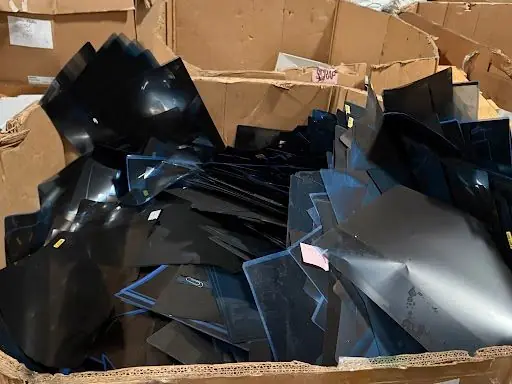
For healthcare facilities, this evolution has made imaging faster and more convenient. But it has also created a new question: What happens to all those old X-ray films?
At X-Ray Depot, we understand that the shift to modern imaging doesn’t make old technology disappear overnight.
The Early Days of X-Ray Film
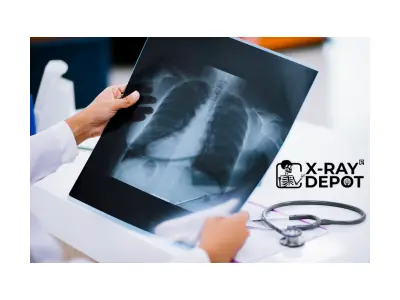
For many years, X-ray film was the standard way to capture and store medical images. Once an X-ray was taken, the film had to be processed before a doctor could view it.
That meant darkrooms, processing chemicals, physical storage, and filing cabinets filled with patient images.
Over time, medical facilities accumulated thousands of films. Some of those films are still sitting in storage today, even though the facilities have long since moved to digital imaging.
The Shift to Digital X-Rays
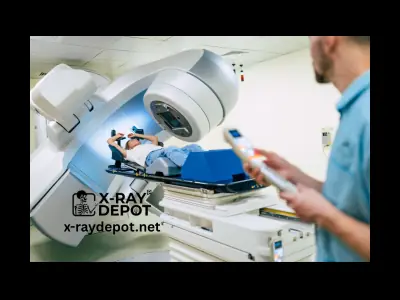
Instead of developing a physical film, digital X-ray systems create an electronic image that can be viewed almost immediately. Images can be stored digitally, shared with authorized healthcare professionals, and incorporated into electronic medical records.
For medical facilities, this meant less physical storage and a much faster workflow. It also meant that the need for traditional X-ray film began to decline. But that didn’t mean all the old film simply disappeared.
Now We’re Entering the Age of AI
Today, artificial intelligence is becoming another major part of the X-ray story.
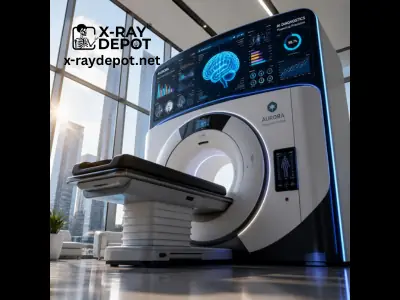
AI-powered imaging tools can analyze X-rays and identify patterns that may deserve a radiologist’s attention. These systems can help prioritize cases and support image interpretation.
Of course, AI isn’t replacing radiologists. Medical professionals still provide the experience, context, and judgment needed to make clinical decisions.
Instead, AI is becoming another tool in the toolbox, helping healthcare teams work with medical images more efficiently.
What Does This Mean for Old X-Ray Film?
As healthcare continues moving toward digital and AI-assisted imaging, old X-ray film can become easy to forget.
It may be sitting in an unused storage room, filing cabinet, or archive.
But those films still need to be handled responsibly.
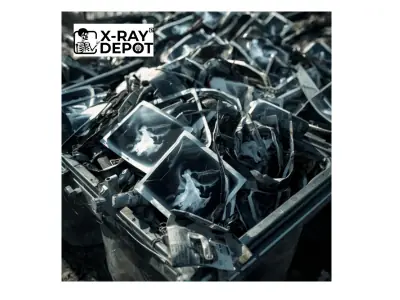
Throwing X-ray film into the regular trash isn’t a great way to dispose of it. Proper recycling allows materials from the film to be recycled while keeping unnecessary waste out of landfills.
For healthcare facilities that are cleaning out old records or transitioning away from film-based systems, recycling can be a practical part of the process.
Clearing Out the Past While Moving Into the Future
Technology is always moving forward. Today’s AI-powered imaging systems are far removed from the X-ray machines and film-processing rooms of the past.
But moving forward doesn’t mean ignoring what’s left behind. If your facility has outdated X-ray films taking up storage space, recycling can help you declutter while supporting sustainable healthcare practices.
X-Ray Depot helps healthcare facilities recycle unwanted X-ray film responsibly. So while the world of medical imaging continues to move from film to digital and AI, you can make sure yesterday’s technology doesn’t simply end up in the trash.
The future of X-rays may be digital and AI-powered, but responsible recycling still matters.