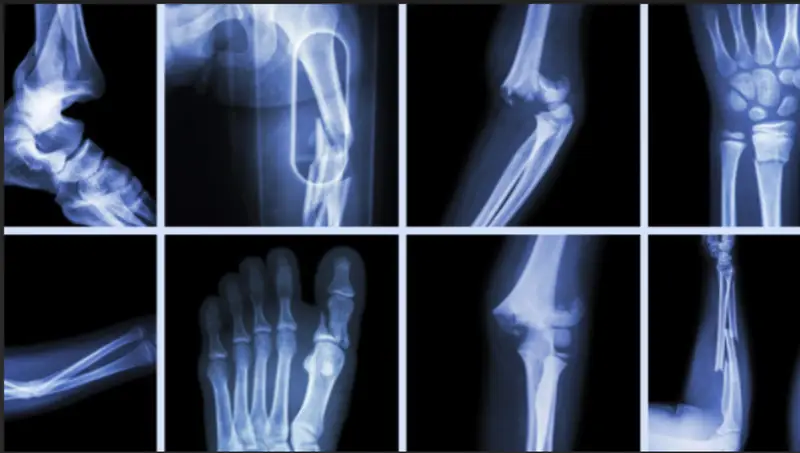
In the years following the discovery of X-rays in 1895, these powerful radiation beams were used for many purposes, some of which would raise eyebrows today. One more surprising use occurred during and after World War I when shoe-fitting fluoroscopes became a quirky staple in stores. These machines—large wooden or metal cabinets with an X-ray tube encased in the lead—allowed customers to look at moving images of their feet inside a shoe, all in real-time. The idea was to help people find the perfect fit without the guesswork.
The process was simple:
You stepped into the machine’s alcove, the X-ray beam passed through, and an image appeared on a fluorescent screen above your feet. It was a “show and tell” experience for customers, especially mothers and children, targeted by marketing campaigns emphasizing how fun and educational the experience could be. Some machines even had multiple eyepieces, allowing the seller and the customer to view the image simultaneously.
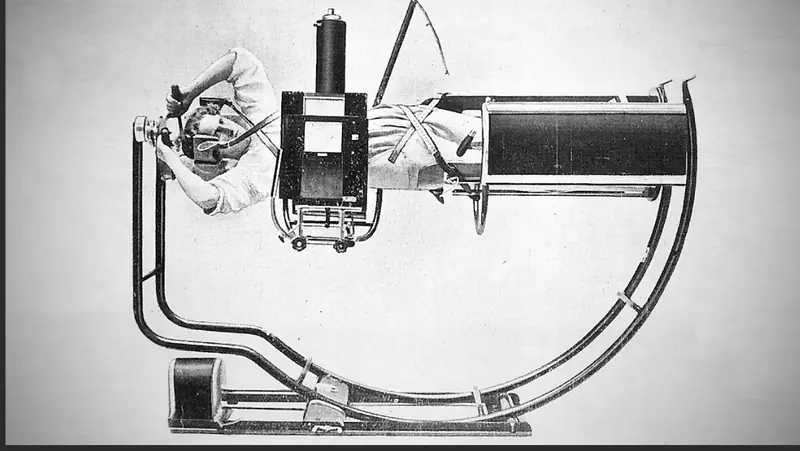
The tipping point came after World War II.
With the growing awareness of radiation’s risks, states began regulating and testing the machines, but not before some accidents occurred. In one notable case, a shoe store employee suffered burns from a leaky machine, prompting more serious concerns about the safety of these devices. Despite this, it’s difficult to determine how many people were affected, as radiation exposure often takes years to show harmful effects. At the time, no one was tracking machine usage or exposure times.
By 1957, Pennsylvania had banned shoe-fitting X-ray machines, and many other states followed suit soon after. The once-common practice quickly faded into history, and the machines were all but gone from retail stores.
A Lesson in the Importance of Safety and Responsibility
X-rays are still crucial in medicine, providing vital insights into our health. However, as we learned from the history of shoe-fitting X-rays, safety and regulation are paramount when dealing with radiation. Whether it’s medical X-rays or the secure disposal of sensitive documents, proper handling and attention to safety protocols are essential today.
At X-ray Depot, we understand the importance of responsible management. For over 40 years, we’ve been helping healthcare providers secure the recycling of X-ray films and the safe destruction of confidential documents, ensuring the protection of their practice and patients.
So, the next time you consider how far we’ve come in understanding the power of X-rays, remember that great power comes with great responsibility. Make sure your sensitive materials are handled with care.
Do you need help with secure X-ray film recycling or document destruction? Contact X-ray Depot today. Let’s work together to keep your practice and your patients safe.