Radiation is one of those things that sounds a little scary when you hear about it. Whether you’re getting a medical X-ray, walking through an airport scanner, or hearing news stories about radiation exposure, it’s easy to wonder: How much is too much?
The good news is that most of the radiation we encounter in everyday life is extremely low and carefully regulated. Let’s take a closer look at where everyday radiation comes from and whether airport scanners and X-rays really add up.
Radiation Is Everywhere
Many people are surprised to learn that radiation is a natural part of our environment. Every day, we receive small amounts of background radiation from various sources:
- The sun
- Soil and rocks
- Air and water
- Building materials
- Certain foods
In fact, the average person receives far more radiation from natural sources each year than from occasional medical imaging or airport security screenings.
What About Airport Scanners?

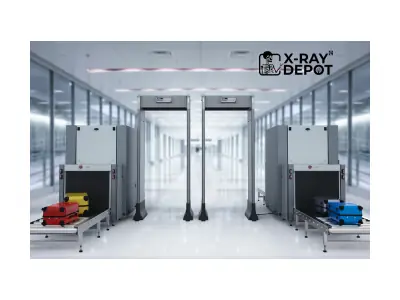
For most travelers, the amount of radiation received during a security screening is extremely small, so small that it’s often comparable to just a few minutes of natural background radiation.
Ironically, if you’re flying at high altitudes, you’re actually exposed to more cosmic radiation during the flight itself than you are from the security scanner before boarding.
Do These Exposures Add Up?
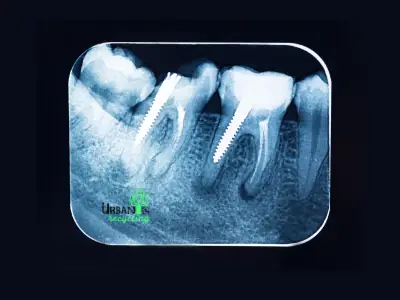
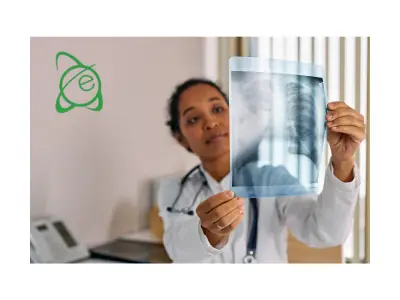
Technically, every radiation exposure contributes to your lifetime total. Airport screenings and medically necessary X-rays sometimes emit only a small amount of radiation compared to the natural background radiation you are exposed to throughout the year. Healthcare providers follow the principle of using the lowest radiation dose necessary to obtain clear diagnostic images. This principle helps keep patient exposure as low as reasonably achievable.
Why Proper X-Ray Film Recycling Matters
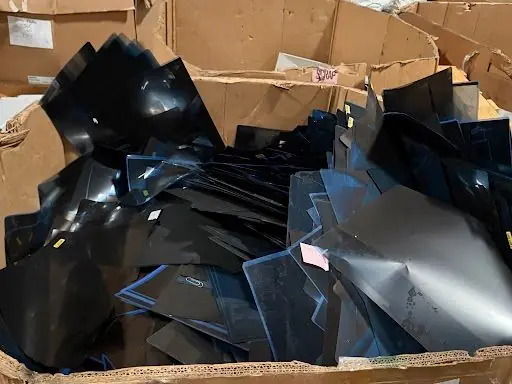
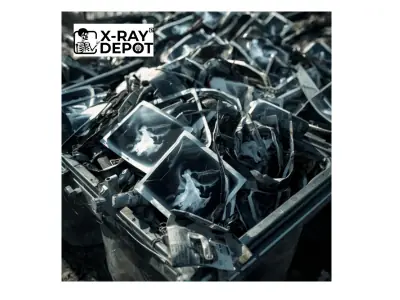
Traditional X-ray films contain silver and may also include sensitive patient information. Improper disposal can create environmental concerns and potential privacy risks.
That’s why responsible X-ray film recycling is so important. Recycling recovers valuable materials, reduces waste, and ensures that people handle confidential information securely. At X-Ray Depot, we help organizations safely recycle outdated X-ray films while supporting environmentally responsible disposal practices.
The Key Takeaway
For most people, everyday radiation exposure from airport scanners and occasional medical X-rays is very small and well within established safety guidelines. In fact, natural background radiation remains the largest source of exposure for most individuals.
Understanding where radiation comes from and how it’s managed can help put things into perspective. Whether you’re traveling, visiting the dentist, or getting an important medical scan, these technologies play a valuable role in keeping us safe and healthy.
And when old X-ray films are no longer needed, recycling them responsibly helps protect both the environment and sensitive information, making it a win for everyone.