
The good news? Modern dental X-rays use very small amounts of radiation, and they’re considered safe for most patients. Still, understanding why they’re needed and how often to take them can help you feel more comfortable during your next dental visit.
Why Dentists Take X-Rays
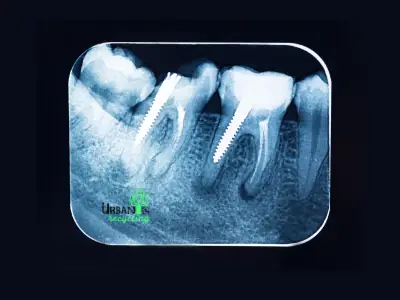
Dental X-rays help dentists see what’s happening beneath the surface. They can reveal cavities between teeth, infections, bone loss, impacted teeth, and other issues that may not be visible during a routine exam.
Think of X-rays as a tool that helps catch problems early. Finding a small cavity today is usually much easier and less expensive than dealing with a root canal later.
How Much Radiation Is in a Dental X-Ray?
Many people are surprised to learn that the radiation from a dental X-ray is extremely low. In fact, a single dental X-ray exposes you to less radiation than you naturally receive from your environment over the course of a day.
Advances in digital imaging have made dental X-rays even safer by reducing radiation exposure compared to older film-based systems.
So, Can You Have Too Many?
For most people, the answer is not likely.
Dentists don’t typically take X-rays just because it’s time. Instead, they consider factors such as:
- Your age
- Your oral health history
- Current dental problems
- Risk of cavities or gum disease
- Recent dental treatments
Someone with excellent oral health may need X-rays less frequently than someone prone to cavities or undergoing extensive dental work.
Dental professionals should take X-rays only when they are medically necessary, rather than adhering to a fixed schedule.
What About Children?
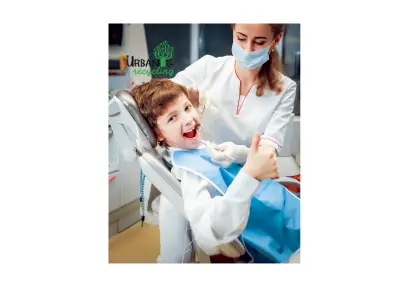
Even so, dentists take steps to minimize radiation exposure and only recommend X-rays when the benefits outweigh the risks.
The Importance of Managing Older X-Ray Films
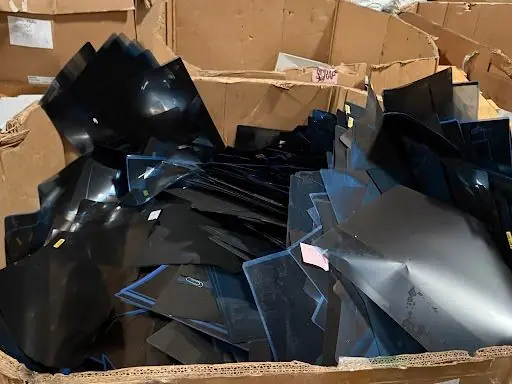
While many dental offices now use digital imaging, countless clinics, hospitals, and dental practices still have archives filled with traditional X-ray films.
These films can contain sensitive patient information as well as recoverable silver. Simply throwing them away isn’t the best option. Proper recycling helps protect patient privacy, recovers valuable materials, and keeps unnecessary waste out of landfills.
That’s where X-Ray Depot comes in.
The Bottom Line
Dental X-rays are an important part of modern dental care. For most people, the radiation exposure is very low. Dentists use them to diagnose problems early and maintain long-term oral health.
Don’t forget to discard older dental X-ray films once you no longer need them. Don’t forget to discard older dental X-ray films once you no longer need them. Proper recycling protects sensitive information, recovers valuable materials, and helps create a cleaner environment.
If your dental office, healthcare facility, or organization has outdated X-ray films taking up storage space, X-Ray Depot can help you recycle them securely and responsibly.