
If you’ve been in radiology for a while, you’ve probably seen a lot of changes, from film to digital, from storage rooms to cloud systems. But right now, the biggest shift isn’t hardware; it’s Artificial Intelligence (AI).
AI is transforming how X-ray imaging works behind the scenes, and it’s happening faster than most people expected.
Here’s what’s changing and what it means for clinics, hospitals, and imaging centers like yours.
AI Is Becoming a Powerful Assist Tool
Swift and Seamless Turnaround Times!
Speed matters, especially when patients are waiting.
AI can quickly analyze and prioritize imaging cases, helping radiologists focus on urgent scans first. Instead of manually working through a long queue, critical cases can jump to the front of the line.
The result?
- Faster reporting
- Shorter patient wait times
- Improved overall workflow
Smarter, More Efficient Workflows
AI is doing more than reading images; it’s helping streamline the entire imaging process. From automatically sorting scans to assisting with report creation, AI reduces time spent on repetitive tasks. Some systems can even generate draft reports that radiologists can review and finalize. For facilities, this means increased productivity, reduced administrative workload, and more time devoted to patient care.
Enhanced Accuracy through Human Supervision
AI excels at spotting small details that might be overlooked, especially in complicated situations. It helps maintain consistency, ensuring that different radiologists produce similar readings.
AI isn’t perfect, so you shouldn’t trust it on its own. The best results come from combining AI with traditional human insights. That balance is what’s driving better outcomes across the industry.
What This Means for X-Ray Film Users

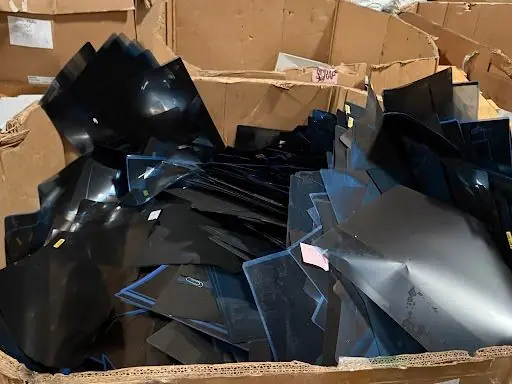
As imaging becomes more digital and AI-driven, those old films can become:
- Harder to manage
- A storage burden
- A potential data security risk
That’s where proper X-ray film recycling comes in.
At X-ray Depot, we help facilities safely and securely dispose of outdated films while recovering valuable materials, such as silver. It’s a simple way to save space, protect sensitive patient data, and support environmentally responsible practices.
The Future of Imaging Is Already Here
AI isn’t just a trend; it’s quickly becoming a standard part of modern radiology.
Facilities that adapt early are seeing real benefits:
- Faster workflows
- Better accuracy
- Improved patient experiences
And as technology continues to evolve, the gap between traditional systems and AI-powered imaging will only grow wider.
Final Thoughts
AI is changing X-ray imaging in all the right ways, making it faster, smarter, and more efficient.
But as your technology moves forward, don’t forget about what’s left behind.
Old X-ray films still need to be handled properly, and that’s where X-ray Depot comes in. We make it easy to transition into the future of imaging while responsibly managing the past.