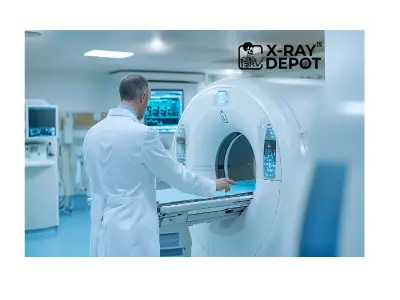
We all know healthcare has gone digital—cloud systems, AI tools, high-tech imaging machines, the works. But here’s something a lot of people don’t expect: traditional X-ray film is still very much alive. Yup, even in 2025, clinics, hospitals, and specialty centers still use it every single day.
Let’s talk about why film hasn’t packed its bags yet.
1. It’s Reliable—Like, Really Reliable
Digital systems are amazing, but they’re not perfect. They crash, glitch, run out of storage, or sometimes decide not to cooperate.
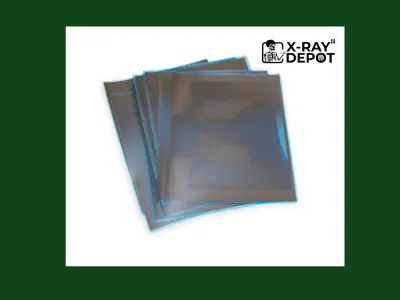
Film, on the other hand? It’s simple. It works. It doesn’t need Wi-Fi or software updates to show you a broken bone.
For many clinics, especially smaller or rural ones, film is the steady friend that never fails.
2. Budget Matters ( and Film Wins Sometimes )
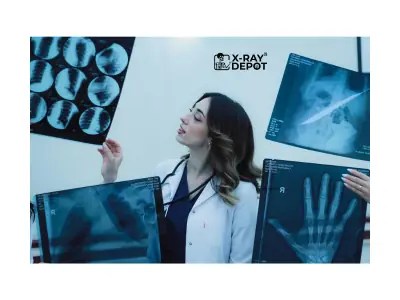
For facilities that don’t need high-volume imaging, film is cost-efficient. It’s easy to store and handle, and you don’t need expensive infrastructure to keep things running.
3. Not All Specialties Have Gone 100% Digital
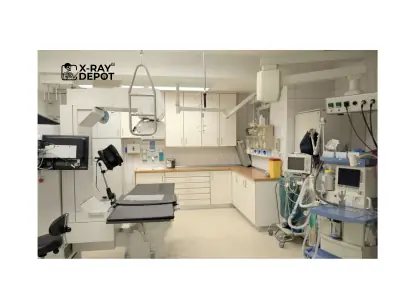
- It fits their workflow
- Their equipment is still functional
- The trainers have educated the staff on this subject.
- Switching to digital isn’t always necessary.
Sometimes, if something works, you don’t fix it.
4. Film Is a Great Backup
Even clinics with complete digital setups keep film as a backup. Power outage? System error? Connectivity problems? Film keeps things moving when tech takes a nap.
It’s like having an old-school flashlight in the drawer—you hope you don’t need it, but you’re happy it’s there when things go dark.
5. Some Doctors Prefer It
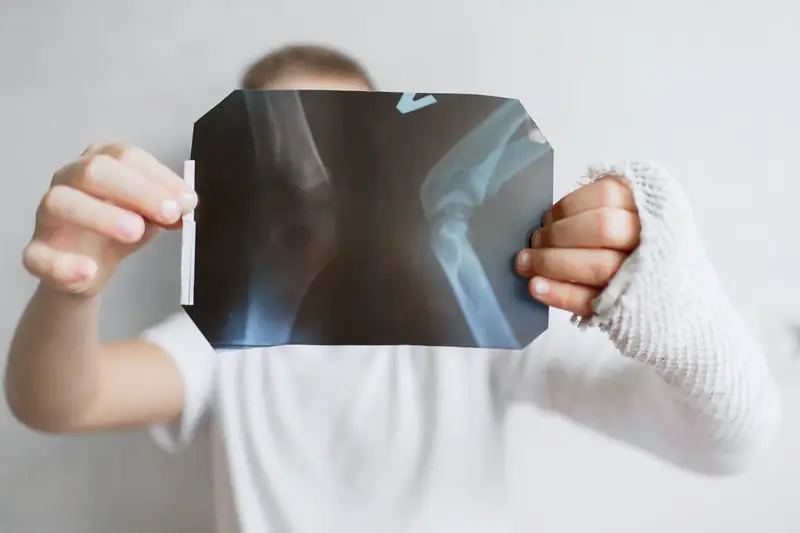
Believe it or not, some healthcare professionals still like reading film. They’ve trained with it for years, they’re comfortable with it, and they trust its clarity.
Digital images are sharp, but there’s something about film that feels very tangible and precise.
6. It’s Still Valuable—Literally
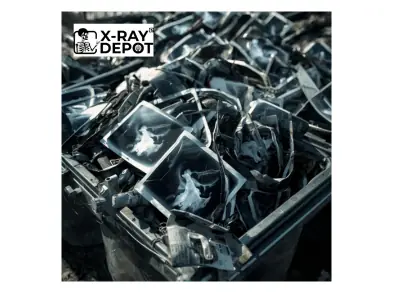
Many people are unaware that X-ray film contains silver, which makes it recyclable and allows facilities to recover value from old film. Clinics often collaborate with recycling companies, such as X-ray Depot, to ensure the safe disposal of film, maintain regulatory compliance, and support environmental protection.
Final Thoughts
Healthcare may be going high-tech fast, but X-ray film isn’t disappearing anytime soon. It’s reliable, affordable, easy to use, and surprisingly valuable. As digital imaging grows, film adapts—it fills gaps, backs up the system, and keeps clinics running smoothly.
In a world full of fancy tech, sometimes the classics still hold their ground.