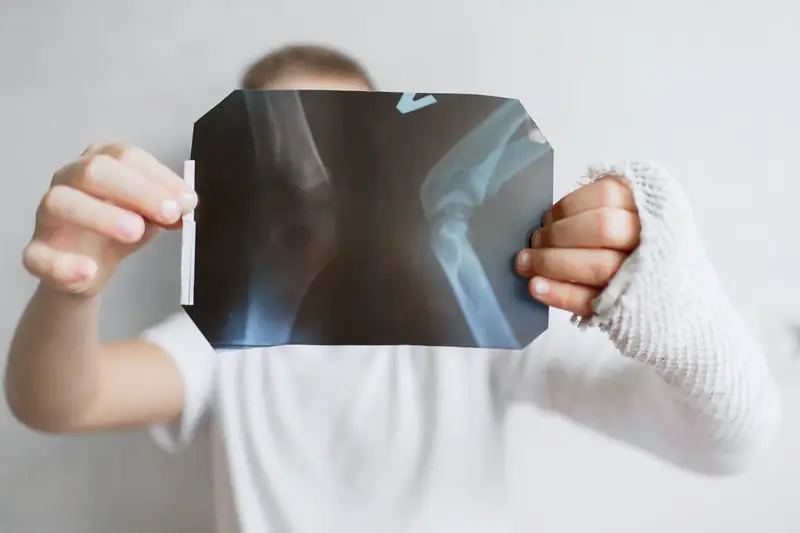
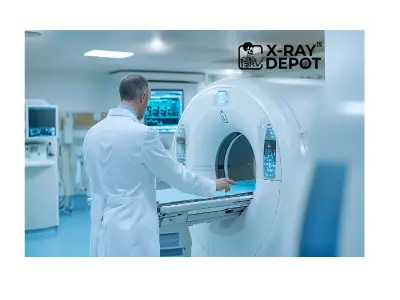
Let’s be real—hearing the word radiation can sound a little intimidating. But when it comes to medical imaging, it’s actually a helpful tool doctors use every day to keep us healthy. From X-rays to CT scans, radiation helps doctors see what’s going on inside your body without guessing.
Why Radiation Is Used in Healthcare
Is Medical Radiation Safe?
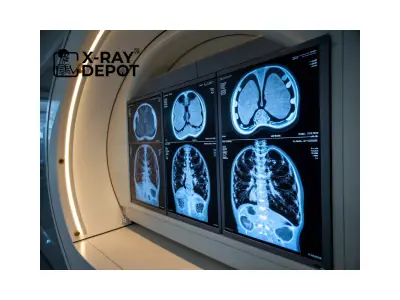
The short answer: yes—when used properly. Healthcare providers follow strict safety guidelines to keep radiation exposure as low as possible. This approach is often called the “as low as reasonably achievable” (ALARA) principle. In other words, only the amount needed to get clear, useful images is used—nothing more.
What Patients Can Expect
Questions You Should Feel Comfortable Asking
It’s okay to speak up about your health. You can ask:
- Why do I need this imaging test?
- Are there alternative tests with less or no radiation?
- How often should this test be done?
What Happens After the Image Is Taken
Radiation safety doesn’t stop once the X-ray is complete. Traditional X-ray films contain silver and other materials that need to be handled properly. That’s where X-Ray Depot comes in.
We help medical facilities safely collect, manage, and recycle X-ray films—making sure sensitive information is destroyed, valuable materials are recovered, and harmful waste stays out of landfills. It’s safer for staff, better for patients, and healthier for the environment.
The Bottom Line
Radiation in healthcare is carefully controlled—and so is what happens afterward. From safe imaging practices to secure X-ray film recycling, X-Ray Depot helps close the loop on radiation safety.
Because taking care of patients also means taking care of what’s left behind.