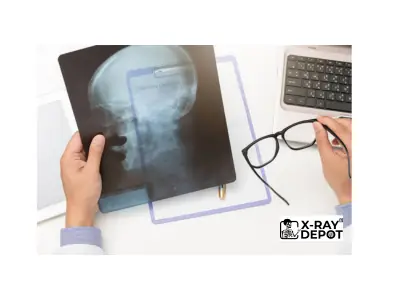
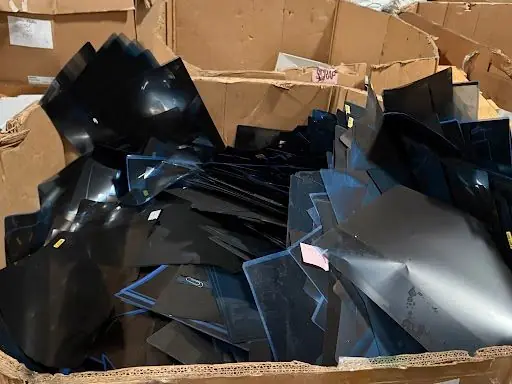
Healthcare facilities generate large volumes of X-ray films over time. While digital imaging has reduced film use, many clinics and hospitals still maintain archives of older films that eventually need to be disposed of. Recycling is not only an environmentally responsible choice—it is also a compliance requirement for patient privacy and hazardous waste management.
Unfortunately, many organizations make avoidable mistakes when handling X-ray film disposal. Below are the top five errors to avoid when recycling X-ray films and how your facility can stay compliant, secure, and eco-friendly.
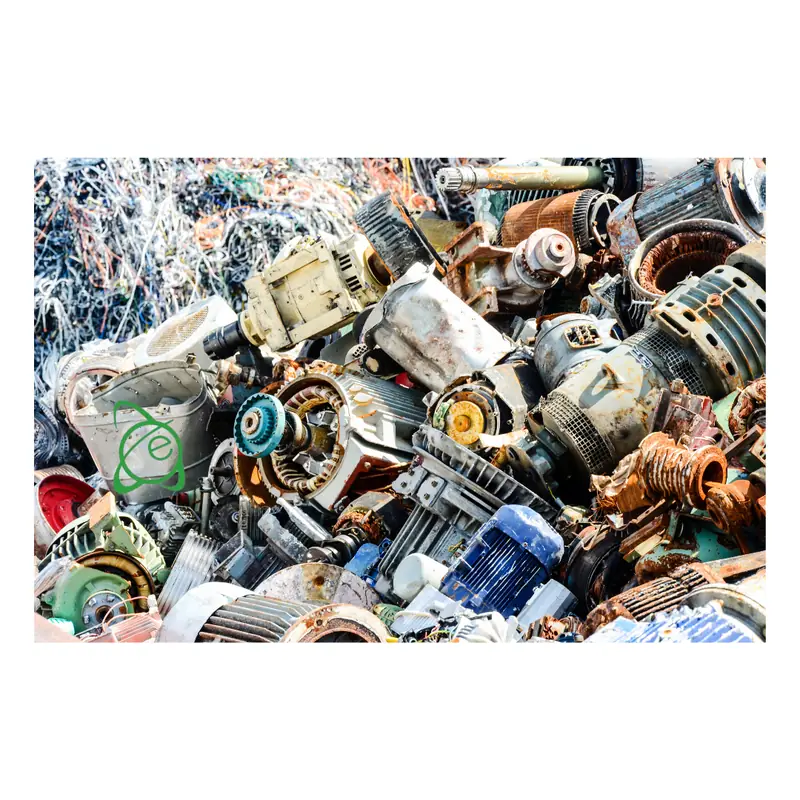
1. Disposing of X-Ray Films in General Waste
2. Overlooking Patient Privacy Regulations
X-ray films are protected medical records. Improper disposal poses a risk to patient data breaches and can result in severe penalties under regulations such as HIPAA in the U.S. or equivalent international laws. Always work with recyclers who provide a Certificate of Destruction, guaranteeing secure and compliant destruction of sensitive health information.
3. Combining X-Ray Films with Other Medical Waste
Mixing films with sharps, biohazardous waste, or plastics complicates disposal and increases processing costs. X-ray films should be separated and directly routed to authorized recycling facilities. This process not only reduces your waste stream but also supports efficient recovery of valuable materials.
4. Failing to Verify Recycler Credentials
Not all recyclers adhere to strict medical and environmental standards. Entrusting X-rays to an uncertified vendor can expose your facility to compliance violations and reputational risk. Before selecting a recycling partner, confirm that they:
- They are licensed to handle medical waste and film recycling.
- Provide documentation of destruction and recycling.
Follow eco-friendly, secure disposal practices.
5. Allowing Films to Accumulate Beyond Retention Periods

Final Thoughts
X-ray film recycling is more than just a sustainability initiative—it is a priority for compliance and risk management. By avoiding these five common mistakes, your healthcare facility can:
- Maintain patient privacy.
- Reduce liability exposure.
- Recover valuable silver responsibly.
- Demonstrate environmental stewardship.
Partnering with X-ray Depot ensures that your facility meets regulatory requirements while supporting sustainability goals.