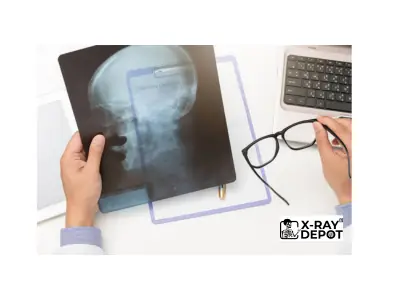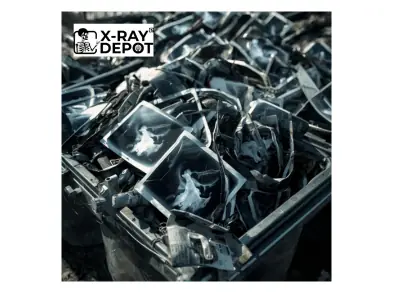
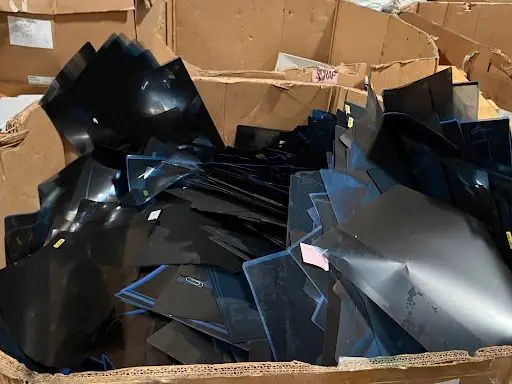
When you think about recycling, things like plastic bottles, cardboard boxes, and paper come to mind. However, in hospitals, clinics, and even dental offices, recycling extends far beyond that. One of the most surprising recyclables? X-ray film.
Most people are aware that old X-rays contain silver and patient information, so we cannot simply throw X-rays in the trash. But here’s the bigger picture: X-ray film isn’t the only item in healthcare that can—and should—be recycled.
Let’s take a look at what else is recyclable along with X-ray film. You might be surprised at how many medical items get a second life!
1. More Imaging Materials
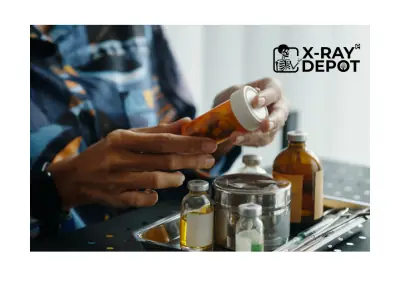
2. Expired Medications
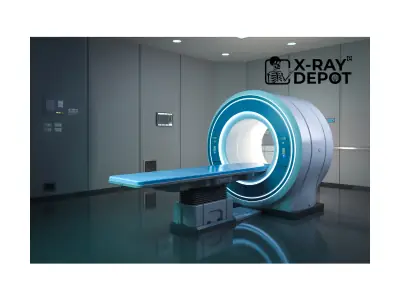
3. Old Electronics
Think about how much technology hospitals use—computers, servers, monitors, and even diagnostic machines. Eventually, all of that becomes e-waste. Contacting a certified recycler, such as X-ray Depot, ensures that sensitive data remains safe and that harmful materials don’t end up in the environment.
4. Lead Aprons and Shields
You’ve probably worn one of those heavy lead aprons if you’ve ever had an X-ray. Over time, they wear out. But instead of throwing them away, facilities can recycle the lead.
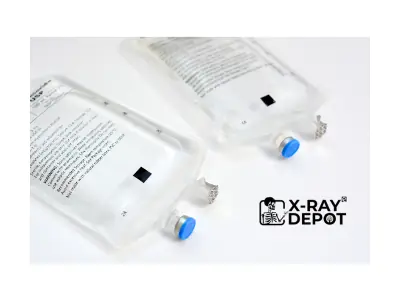
5. Medical Plastics and Packaging
6. Paper Records
As hospitals transition to digital record-keeping, they continue to collect old paper files. Staff should dispose of these documents and X-ray films carefully, as they often contain sensitive patient information. But with secure shredding and recycling, they’re handled safely and sustainably.
The Bottom Line
Recycling X-ray film is essential, but it’s only one part of the puzzle. Healthcare facilities can responsibly recycle a wide range of medical waste, including medications, electronics, lead aprons, and old paper files.
The next time you think about X-rays, remember—they’re just the beginning of a much bigger recycling story.